





Powder Metal Materials Selection Guide
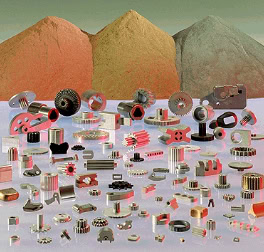
One of the biggest challenges manufacturers face is balancing high-performance materials and cost-effective production. Powder metallurgy is a versatile way to create precision, solid metal parts in various shapes. Powdered metal materials are alloys that have been transformed into irregular particle shapes through various atomization techniques. The powdered metal is easily alloyed with other metals and lubricants to create a homogeneous mixture with the desired properties.
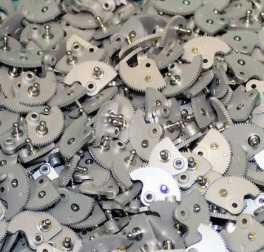
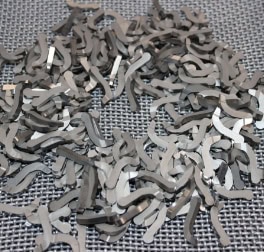
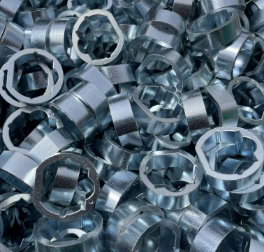
Powder metal materials can be compacted into virtually any shape using dies, hydraulic presses, or punches before being sintered. Sintered metal materials are environmentally friendly, create minimal waste, and result in a smooth surface finish with reduced need for further machining. Many types of metal are compatible with the powdered metal manufacturing process.
As a trusted expert in custom, small power metal components, Allied Sinterings uses state-of-the-art manufacturing technology to create award-winning parts. We’ve created this guide to serve as a comprehensive resource on powder metallurgy materials and their applications.
Common Powder Metal Materials

Stainless Steel
Stainless steel is widely used in powder metallurgy manufacturing. It is pre-alloyed with chromium, which gives sintered stainless steel components reliable corrosion resistance as well as excellent strength and durability. Stainless steel is compatible with operating temperatures, usually between -161 °C (-257.8 °F) and 870 °C (1,598 °F), though different grades are more or less suitable for some temperatures.
Another advantage of this material is that it is highly recyclable, which makes it a cost-effective and environmentally friendly choice. Since stainless steel can be impregnated for self-lubrication, it’s a versatile solution for many applications, including:
- Medical device components
- Automotive parts
- Geometrically complex telecom devices
- Industrial equipment (i.e., gears)

Copper
Copper is a highly versatile material with many important physical properties, such as excellent electrical and thermal conductivity. Copper can be impregnated for self-lubrication, resists corrosion, and offers good ductility. In powder metallurgy, it is often alloyed with zinc, tin, or nickel to enhance its performance.
Since copper is non-magnetic, it is suitable for manufacturing electrical contacts and other components such as:
- Bearings
- Bushings
- Heat sinks
- Small motor components

Nickel
Nickel is a highly ductile metal that offers good corrosion resistance and strength at high temperatures. It can be impregnated for self-lubrication and can also be magnetized, making it a popular material for sensor and motor manufacturing. By creating powdered nickel in various particle sizes, this material can be customized for application-specific performance characteristics. Sintered nickel components are used to produce batteries, chemical processing equipment, and many specialty components that demand high strength and wear resistance.

Nickel Steel
Nickel-steel alloys are wear-resistant and compatible with many industrial applications. Adding nickel to a steel alloy creates products with improved strength and greater resistance to cracking. These alloys are compatible with a wide range of temperatures, ensuring reliable performance within many demanding applications.
Nickel steel also offers good ductility and weldability while being hygienic enough for medical or food and beverage applications. Since it can be impregnated for self-lubrication, it is often used for applications in these industries:
- Medical equipment
- Aerospace
- Chemical processing
- Pharmaceutical processing
- Food and beverage

Brass
Brass is a copper-zinc alloy known for its corrosion resistance and aesthetic appeal. Brass provides good machinability and electrical conductivity, making it suitable for electronics manufacturing. When used in powder metallurgy, it can be impregnated for self-lubrication, improving its performance capabilities.
Due to its cost-effectiveness and resistance to oxidation, brass is suitable for humid environments, chemical exposure, and uses that include:
- Bushings
- Gears
- Plumbing fixtures
- Musical instruments
- Decorative components

Iron
Iron is a highly magnetic material that can be added to sintered products to improve their thermal conductivity. Its strength makes it well-suited to structural components, and its ability to be impregnated for self-lubrication, it can be used in a range of applications like bearings and magnetic components, like solenoid cores.

Sinter-Hardened Materials
Sinter-hardened metals are advanced alloy admixtures that are made using powder metallurgy techniques and heat treatment. Specific alloying elements and targeted heat treatments are used to achieve improved hardness and other essential performance capabilities. As the sintered materials cool, they develop exceptional hardness, wear resistance, and durability.
Sinter-hardened materials offer good strength and can be impregnated for self-lubrication, making them suitable for applications such as:
- Automotive components
- Cams
- Gears
- High-stress parts
Considerations: Choosing the Right Powder Metal Material for Your Project

Application Details

Material Property Requirements

Processing Requirements

Costs and Budget

DFM (Design for Manufacturability)
Powder Metal Substitutions

Bronze

Brass

Lead
Download Our Powdered Metal Part Design Guide for Engineers
Frequently Asked Questions About Powder Metal Materials
-
What Is the Primary Advantage of Using Powdered Metal Over Traditional Manufacturing Methods?
Powdered metal is a cost-effective manufacturing technique, resulting in reduced waste and minimal part-to-part variation. Not only is it significantly less expensive than injection molding, but it's also faster than additive manufacturing techniques. It can also be more efficient than material removal processes like CNC machining.
-
Can Powder Metal Parts Be Heat-Treated?
Yes. Powder metal parts can be heat treated after sintering to enhance certain desired properties, like wear resistance or hardness. Visit our Advanced Heat Treating Services page to learn more.
-
Can Different Powder Metals Be Combined or Alloyed?
Yes. One of the biggest advantages of powder metallurgy is the ability to easily create custom alloy blends to meet the requirements of different applications.
-
How Do I Know Which Powder Metal Materials Are Best for My Application?
The best metal for any given application will depend on the mechanical, chemical, and physical properties dictated by the application’s operating environment. The project timeline and budget also influence these decisions. It's always best to consult with an expert like Allied Sinterings for metallurgy and DFM guidance.
Why Choose Allied Sinterings for Your Powder Metal Needs?

Credibility and Experience

Collaborative Design and Adaptability

Commitment to Sustainability

Diverse Industry Experience

Global Reach

State-of-the-Art Technology

Specializing in Small and Miniature Components

Efficient Turnaround and Reliable Delivery

ISO Certification
Contact Us for Superior Miniature & Small Powder Metal Components
With powder metallurgy, blended alloys are optimized for application-specific performance capabilities with virtually no wasted materials. By choosing the right metals, creating precision dies and molds for compaction, and carefully controlling the sintering atmosphere, the team at Allied Sinterings delivers value you can trust.
Contact us to learn more about powder metal options and properties, or request a quote for your next miniature to small part project.
